A time-honored samurai blade is a splendid expression of ingenuity, but consider if you desire to convey your personal manner? Adapting your tool is a rewarding journey, allowing you to assemble a truly unique piece. From the tsuka wrapping and clasp to the plate design and tempering curve, each aspect offers a chance for specialized modification. This examination delves into the area of katana adjustments, providing tips for both newcomers and accomplished enthusiasts seeking to imprint their stamp on the traditional art of the samurai.
Primary Authentic Creation
For aspirants hoping to embark on the enriching journey of samurai sword fighting , 1060 steel katanas furnish an excellent entry point. This certain grade of elemental-based steel reaches a nice compromise between value and proficiency. While not quite as hard as superior-grade steels, 1060 grants a adequate level of sharpening , making it fitting for trainees to learn the core principles of edge management and understand the attractiveness of traditional Japanese weaponry. It’s a great choice for acquiring experience without the capital burden of more elite steels.
T Gear Steel Cutlasses: Combining Performance and Price
Assisting practitioners seeking an authentic saber experience without surpassing the monetary limit , T10 substance katanas represent a beneficial option. These instruments offer a distinct improvement in sturdiness compared to basic alternatives, exhibiting sufficient edge retention and tolerable flexibility for primary hacking techniques. While not rivaling the excellent characteristics of advanced steels like T100 or folded material , T10 provides a notable blend of ability and price , making them a common choice for beginners and those on a modest resources .
Moving beyond the Keel : Adapting Your Blade's Hardware and Tsuka
As the finished cutting surface is undeniably the primary point of a katana, truly refining its aesthetic lies in the careful customization of its features and haft . This method allows collectors to express their special manner . Explore the vast possibilities: menuki - decorative embellishments that provide visual allure ; the hamon casings – often masterfully etched ; the tsuka nucleus itself, wrapped in authentic ito string ; and the fusa knob , which can be crafted from various ingredients like alloys or nacre.
- Elect themes that relate with you.
- Try with various components .
- Concentrate on merit for a persistent impression .
The Appeal of the Katana: Tradition, Creation, and Alloy
Such nihonto exhibits a unique allure, steeped in periods of Pacific Rim history and heritage . More than merely a artificial item of fighting , it's a embodiment of the soldier ethos – a fusion of prowess and restraint . Its maturation spanned score generations, with early steel evolving into the polished curvature and precise edge we recognize today. The fabrication involved is truly phenomenal , requiring epochs of study to excel at . The process involves a sophisticated folding of tamahagane , creating layers that strengthen the weapon’s flexibility and hacking ability. Different schools of metalworking started , each with their special secrets and formulas for achieving the ideal poise and acuteness - a truly grueling pursuit.
- Original Katana styles
- The task of the Japanese sword in bushi culture
- Old-fashioned blacksmithing styles
Electing the Suitable Steel for Your Armament Project: 1060 vs. T10
Identifying the correct steel is absolutely important for any katana project, and the decision between 1060 and T10 can be complex. 1060 is a common American metal, offering a decent balance of strength and resilience, making it relatively easy to heat treat. However, T10, a Japanese steel, commonly boasts exceptional wear permanence and can may achieve a superior decisive hardness, although it can be noticeably challenging to process and requires careful heat processing. Consider your experience level and anticipated features: for a novice, 1060 may be a better entry, while the skilled smith might appreciate the expanded traits of T10.
- Effortlessness of Handling
- Longevity
- Maximum Stiffness
Unleashing the Power: High-Level Katana Modification Methods
Becoming proficient in blade modification extends far beyond basic whetting. Serious masters are now investigating advanced techniques to truly unlock a blade's hidden potential. This demands intricate work with the temper design, utilizing specialized substances for differential annealing and carefully identifying the shape of the crossguard to optimize balance and capability. Beyond purely functional alterations, artisans are increasingly focused on realizing unparalleled aesthetic style, through complex etching and layered films that truly transform a katana into a creation.
Shaping Rough Steel into Perfection: Making a 1060 Sword
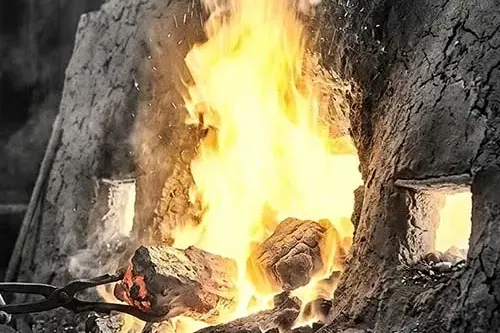
The journey starts with average 1060 metal , a solid material far distant the fine katana it will evolve . Accomplished bladesmiths apply a multifaceted process of doubling and fabricating the base steel, repeatedly tempering it and beating it to rid impurities and create a homogeneous grain structure. This tedious process, often continuing for spans , builds the essential hardness and flexibility characteristic of a real Japanese edge . Additional heat applications , including careful hardening and quenching , are fundamental to achieve the expected 1060 steel katana harmony of sharpness, permanence and splendor .- Layering: Minimizes impurities and constructs grain structure.
- Forging: Models the steel into the initial blade form.
- Conditioning: Regulates the final hardness and flexibility.
The Everlasting Fascination of the Katana: Broad Investigation of Metalcraft and Adjustment
The iconic katana persists a strong symbol standing for Japanese folklore, its allure far moving past mere arms . Forged from exclusive steel and habitually featuring intricate details , the system of creation itself is a sacred art. Beyond the basic craftsmanship, the ability to modify a katana - from the temper curve to the grip wrapping and clasp - opens for a sincerely individual demonstration for both worshippers and followers alike. This confluence of classical steelwork and boundless personalization creates the katana's continued widespread acceptance across the globe .
